
A Day in the Life at AMPed Hybrid Academy
While each day unfolds a little differently, a consistent rhythm grounds the experience: focused academic work, meaningful relationships, guided independence, and learning that connects across environments.
Students are enrolled full-time and experience a cohesive school day that blends on-campus learning with faculty-directed work beyond campus. Expectations are clear, support is continuous, and learning is intentionally designed to feel purposeful rather than rushed.
Morning: Community, Direction, and Deep Work
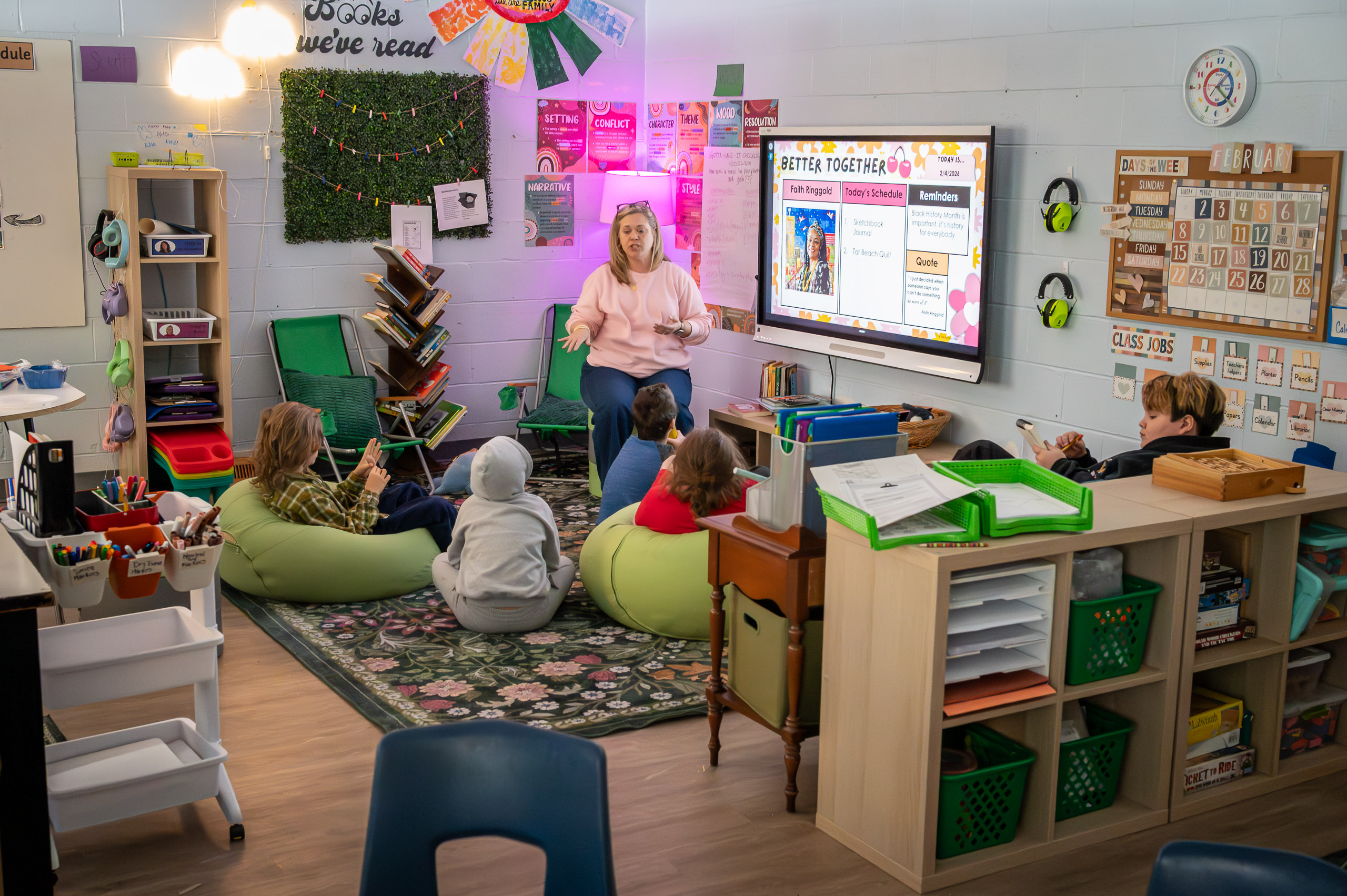
Most days begin on campus with students gathering in their cohorts. Mornings are calm and purposeful, creating space for connection and intellectual focus.
What happens in the morning:
- Community circles and advisory check-ins
- Goal setting and planning with faculty guidance
- Direct instruction, workshops, or small-group seminars
- Launching project work tied to current inquiries
Faculty use this time to set academic direction, clarify expectations, and ensure each student knows what they are working toward—both independently and as part of a group.
Midday: Inquiry, Projects, and Collaboration
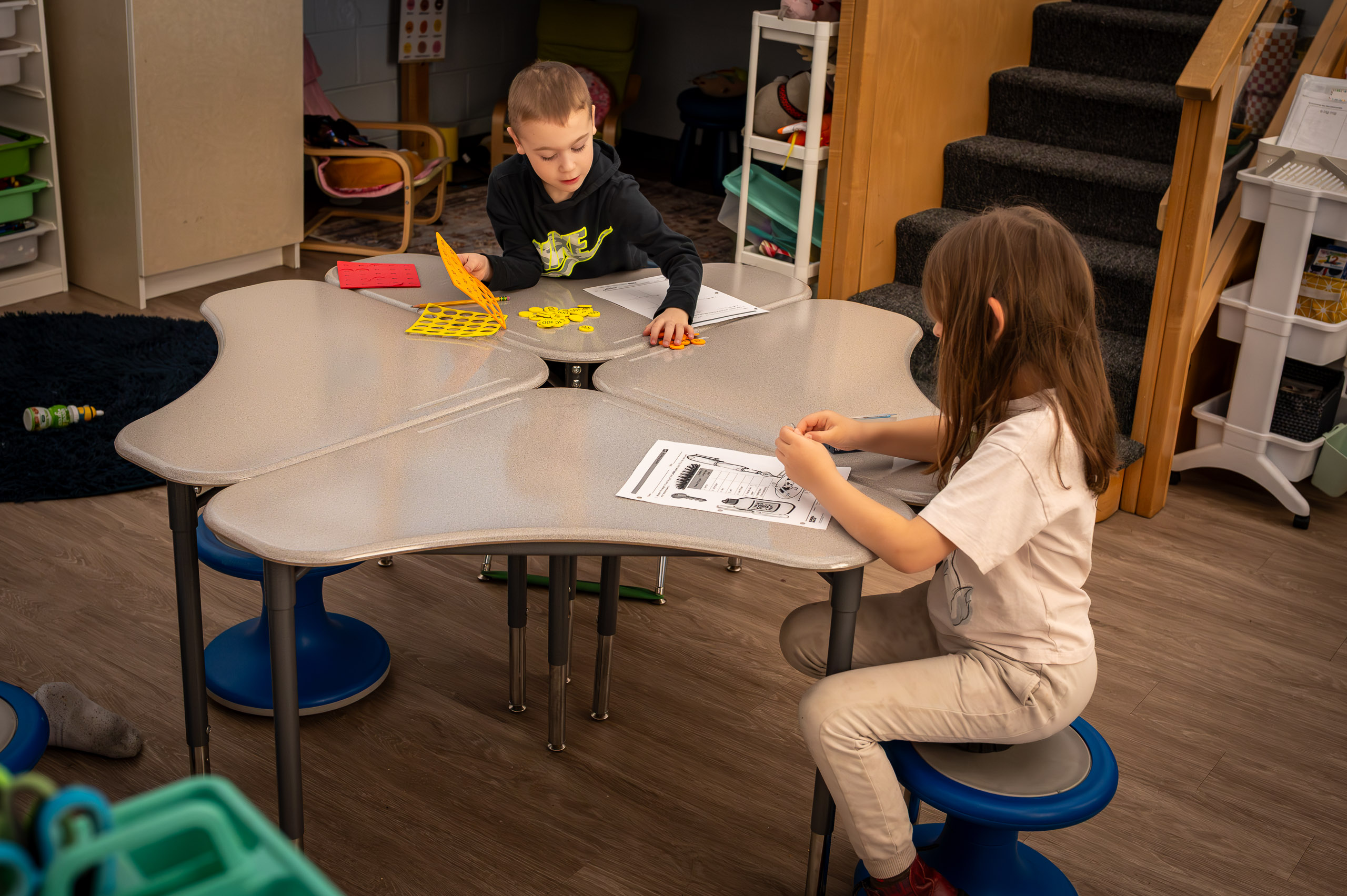
As the day progresses, learning shifts into active application. Students engage in interdisciplinary projects that integrate core academic skills with real-world questions.
You might see students:
- Designing and testing solutions in science or engineering projects
- Writing, revising, and conferencing with teachers on academic work
- Collaborating in small groups to research, debate, or create
- Receiving targeted instruction or feedback based on individual needs
Learning is structured, but not rigid. Faculty guide pacing, provide scaffolding, and adjust instruction so students are supported while being challenged.
Beyond Campus: Guided Independent Learning
Learning at AMPed extends beyond a single setting. Time away from campus is not “free time” or optional work—it is a planned part of the school program.
During this portion of the day, students:
- Revisit and deepen new learning through reflection, revision, and extended exploration
- Work on projects, research, or skill development aligned to their learning plan
- Apply concepts introduced on campus in authentic contexts
- Receive ongoing feedback and check-ins from faculty
- Develop time-management, reflection, and self-direction skills with guidance
Faculty remain actively involved through planning, review of work, and assessment. Outcomes are defined, progress is monitored, and students are coached—not left to figure things out alone.
Afternoon: Reflection, Feedback, and Synthesis
As the day continues, students move into focused work time where reflection and refinement are built into the learning process. Faculty remain available to support students as they synthesize their learning and move work forward.
Afternoons often include:
- Small-group discussions or studio time when appropriate
- Teacher feedback and revision sessions, scheduled or on demand
- Portfolio development and reflective work
- Preparation for presentations, exhibitions, or next steps in a project
Reflection is treated as part of learning, not an add-on. Students are guided to evaluate their work, revise with intention, and articulate what they are learning and why it matters—with access to teachers when support, clarification, or feedback is needed.
What This Looks Like Across Ages
While the structure is consistent, the experience evolves as students grow.
- Lower Elementary: More guided instruction, hands-on exploration, and supported independence
- Upper Elementary: Increased collaboration, longer project cycles, and growing ownership
- Middle School: Deeper inquiry, greater autonomy, and more complex interdisciplinary work
- High School: Advanced projects, leadership opportunities, and preparation for post-secondary pathways
Students are placed based on readiness and fit, allowing them to thrive socially, emotionally, and academically.
Purposeful, Full-Time Learning
Every day at AMPed is intentionally designed to balance structure with flexibility, autonomy with accountability, and challenge with support.
Families often notice that students:
- Are more engaged and motivated
- Develop confidence and independence over time
- Produce meaningful, high-quality work
- Feel known, supported, and intellectually stretched
This is what a full academic program can look like when learning is designed with intention.