
A Day in the Life of an AMPed Learner
Learning That Transcends the Classroom Walls
The Weekly Rhythm
AMPed’s schedule is built around a consistent, predictable two-to-three day on-campus cycle. Students are placed in one of two cohorts: Monday / Wednesday / every other Friday, or Tuesday / Thursday / every other Friday. The alternating days are dedicated to structured, faculty-guided independent learning — work that is planned by teachers, held to the same academic standards, and monitored for progress throughout the week.
The rhythm is deliberate. Students get the collaborative, relational on-campus time they need alongside the focused, self-directed time that builds genuine independence. And families get something most private schools can’t offer: the flexibility to pursue competitive athletics, intensive arts training, or specialized therapies — without stepping back from a rigorous academic program.
On-Campus Days: Collaboration and Connection
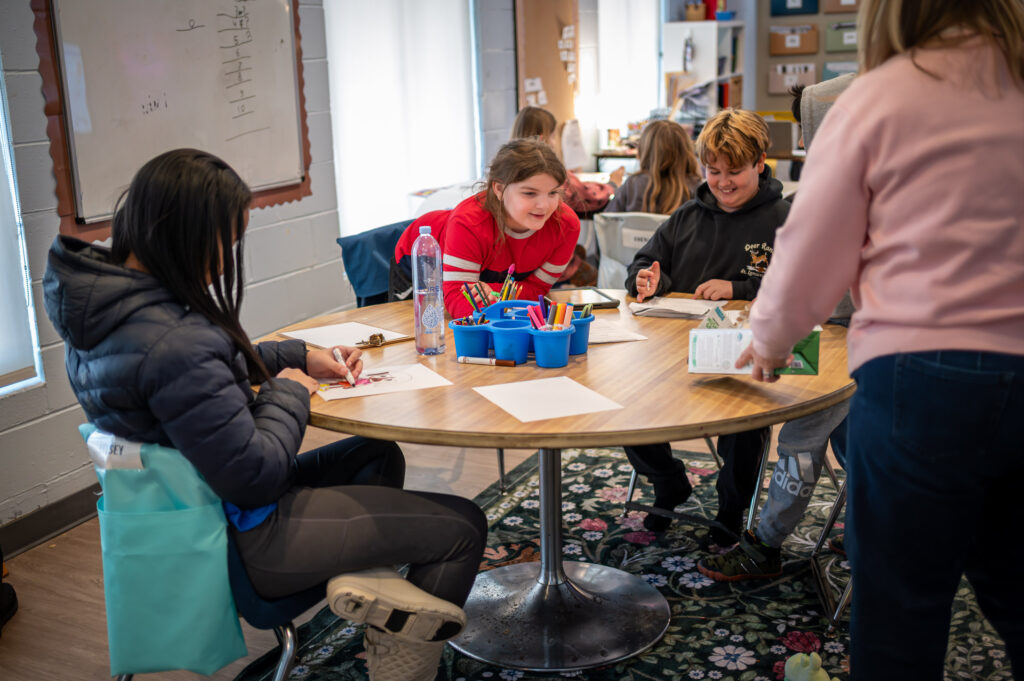
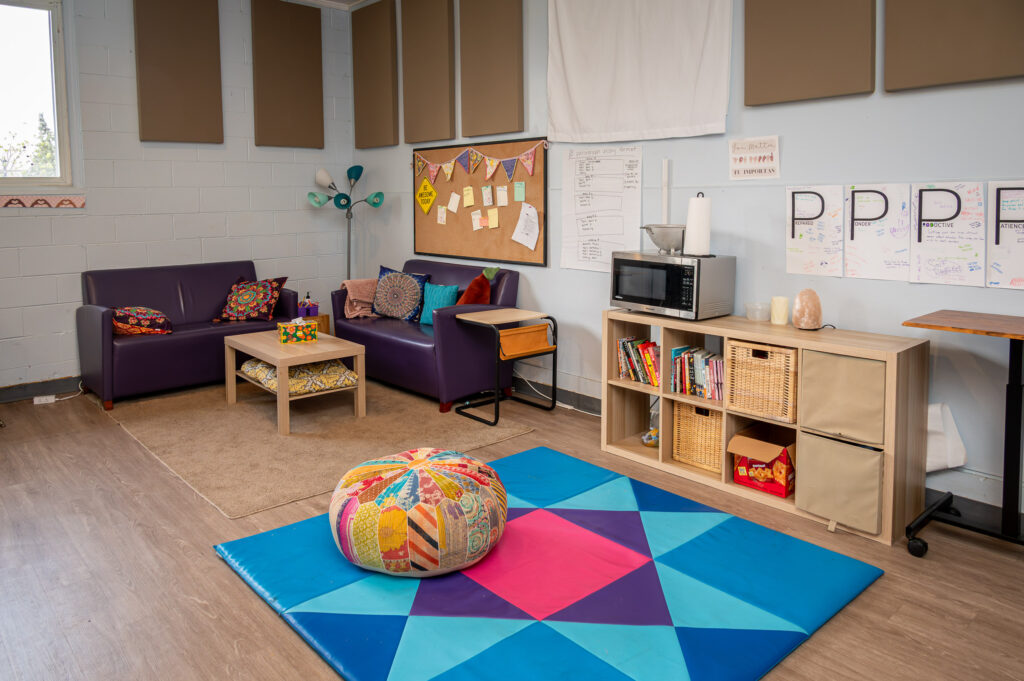
When students arrive on campus, they step into an environment specifically designed to feel cozy, calming, and emotionally safe. Because we maintain an intentionally small 6:1 student-to-teacher ratio and cap our classrooms at just 12 learners, every child is deeply known, respected, and supported by their educators.
A day on campus is active, messy, and deeply engaging. We don’t rely on mass-produced worksheets or rote memorization; instead, students are fully immersed in interdisciplinary, project-based learning. Depending on their cohort, your child’s day might involve:
-
Lower Elementary: Observing plant life cycles as “Plant Detectives” and designing simple experiments, blending science, math, and literacy.
-
Upper Elementary: Exploring ecosystems to design and build sustainable habitat models for local wildlife.
-
Junior High: Preparing for a mock Michigan Senate debate by analyzing local issues, researching voting records, and writing campaign platforms.
Built-In Wellness and Regulation
Over an Acre of Space to Learn, Move, and Think
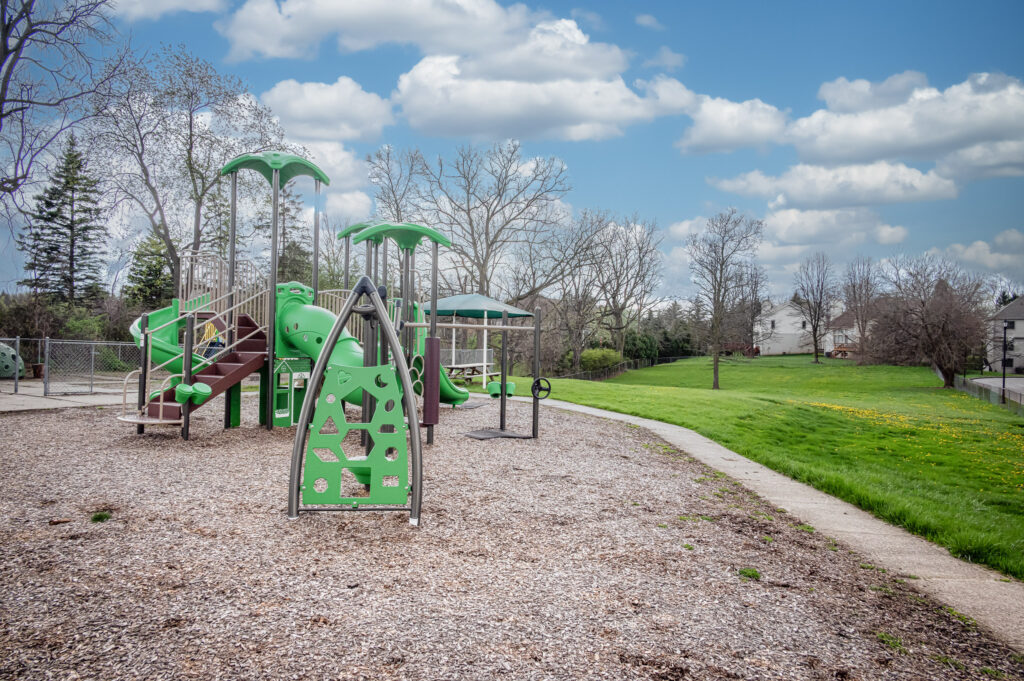
For a school of our size, the outdoor space is genuinely unexpected. A full playground, open green space, and a quarter-mile walking path — it’s a lot of room, and students use all of it.
We don’t treat outdoor time as a reward or a break from learning. Movement, fresh air, and a change of environment are part of how brains actually work, especially for the kinds of learners AMPed was built for. When a student needs to decompress before diving into a complex project, or a teacher wants to take a conversation outside, the space is there for it.
And we’re not done with it. We have plans to develop part of the grounds into an outdoor classroom and community garden — a space for hands-on environmental learning, collaborative projects, and the kind of messy, meaningful work that’s hard to do indoors.
Directed Independent Study: Guided Learning Beyond Campus
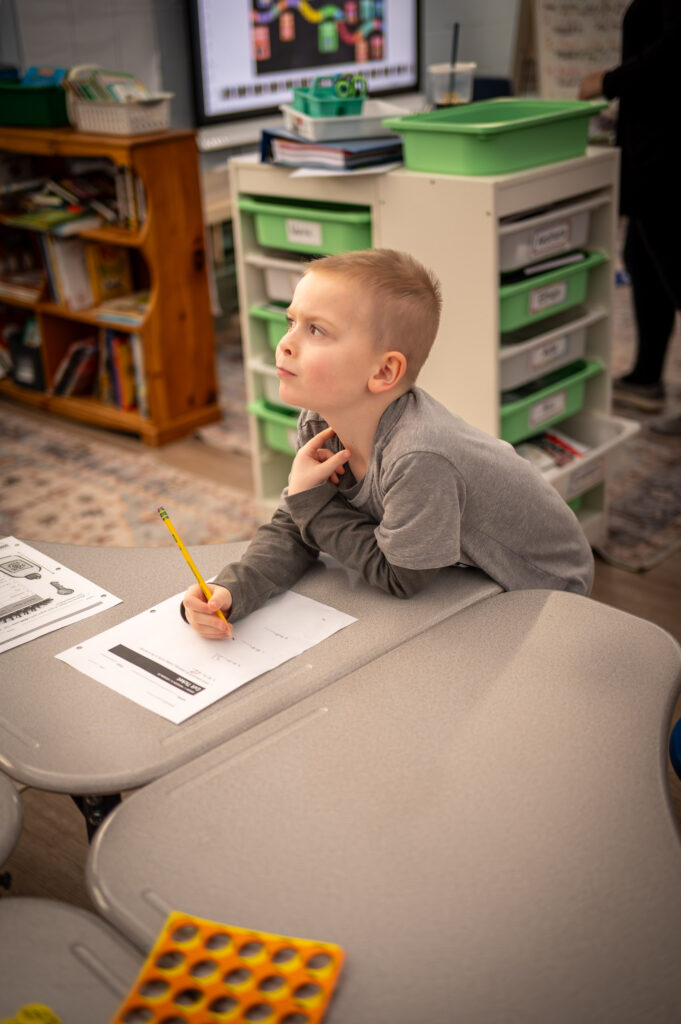
On off-campus days, students are working — just not from a classroom. Educators set the academic direction, assign the work, monitor progress, and provide ongoing feedback. What changes is the environment, not the expectation. This structure is what allows families the flexibility to pursue competitive athletics, youth symphony, intensive therapies, or necessary medical care without pulling their child out of a serious academic program.
This unique structure teaches our students the vital time-management, organization, and self-direction skills they need to succeed in higher education and adulthood. Crucially, it also provides your family with unparalleled flexibility. This built-in adaptability allows our students to seamlessly pursue competitive athletics, intensive arts training like youth symphony, specialized therapies, or necessary medical care without ever compromising their access to a premier, accountable education.
The AMPed Difference
From morning arrival to the completion of an independent project off-campus, every aspect of an AMPed learner’s day is designed to cultivate identity, innovation, and agency. Here, your child doesn’t have to expend energy trying to survive a rigid school day. Instead, they are freed to take bold intellectual risks, ask deep questions, and experience the joy of learning in an environment where they truly belong. If that sounds like what your child has been missing, we’d love to show you around.