
Learning Cohorts
Where Students Are Placed to Grow—Not to Fit a System
AMPed isn’t a traditional school, and our cohorts aren’t traditional classrooms.
We group students by where they actually are — not by birthday. That means your kid is learning alongside peers who share their curiosity, their pace, and their readiness to dig deeper. It makes a real difference.
Cohorts aren’t static. As students grow, their placement can shift. That’s kind of the whole point.
Why Cohorts Matter
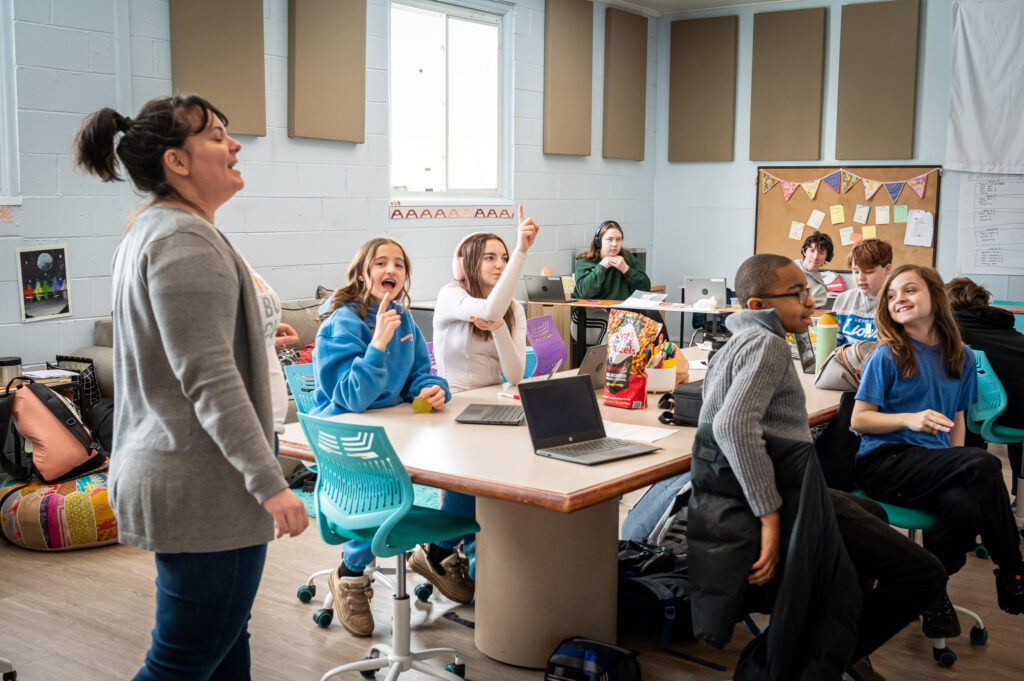
Most schools slot kids by age and keep them there. You were born in October 2014? Third grade. Done.
We think that’s a strange way to run a school.
Kids don’t all hit the same milestones at the same time — not academically, not socially, not emotionally. A cohort model lets us respond to that reality instead of ignoring it. When a student is grouped with peers who are genuinely at a similar stage, something shifts: they stop coasting, they stop struggling to keep up, and they start actually engaging.
Cohort learning also gives kids something a lot of traditional classrooms miss — the chance to be known. Teachers who see a smaller, more coherent group of students over time can build real relationships, track real growth, and catch problems before they become patterns.
How Cohort Placement Works
We look at the whole picture. Placement isn’t based on a single test score, and it’s not set in stone.
When we determine where a student belongs, we consider academic readiness across subject areas, how they work with other kids, how they handle challenge and frustration, their learning preferences, and what parents and previous teachers have observed. We also just talk to the student — they usually have a pretty good read on where they feel most like themselves.
Placements are revisited regularly. If a student is ready to move, we move them.
The Structure of Learning Across Cohorts
Every cohort follows the same core approach, even as the content and expectations shift with developmental stage.
Students across all cohorts work on projects that cross subject lines, get honest and timely feedback on their work, build and present portfolios, and practice learning how to learn — not just what to learn.
The curriculum framework is built around inquiry, real-world application, and collaboration. The goal is students who can think, not just students who can score well.
Cohort Experience by Developmental Stage
Lower Elementary
Building Foundations with Confidence and Curiosity
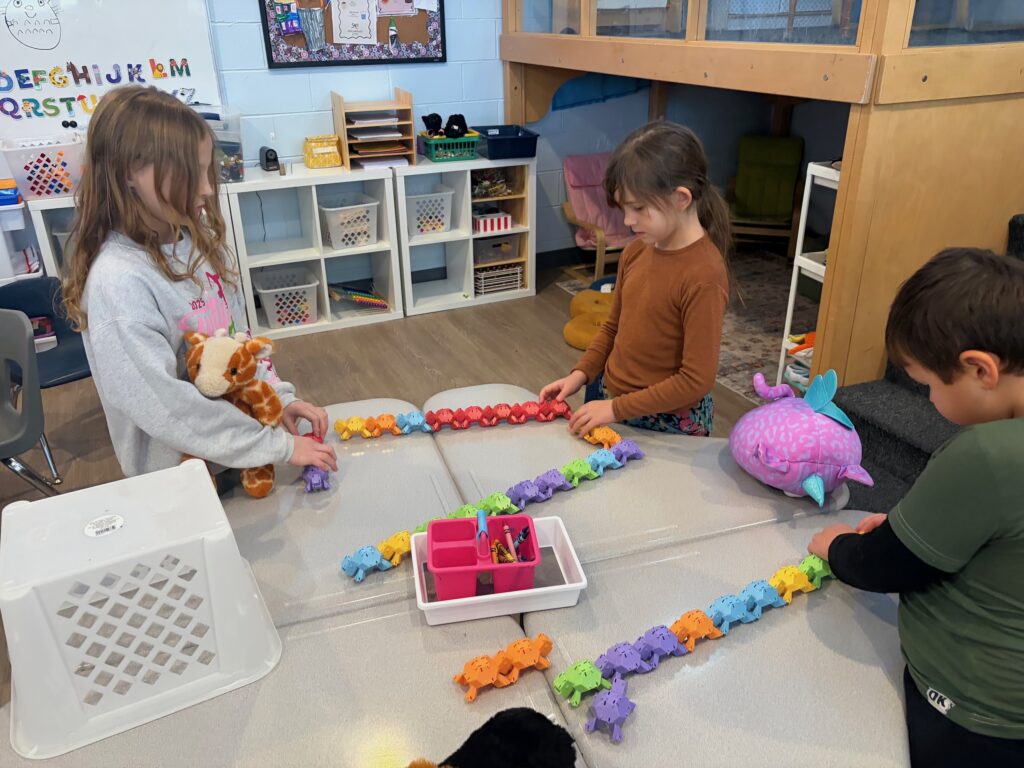
This is where kids learn what it feels like to love school. The focus is on foundational skills — reading, writing, numeracy — but wrapped in play, story, and genuine exploration. Students work in small groups, make things, ask questions, and start to figure out who they are as learners.
We want kids to leave Lower Elementary feeling like school is a place that’s for them.
Upper Elementary
Expanding Independence and Academic Depth
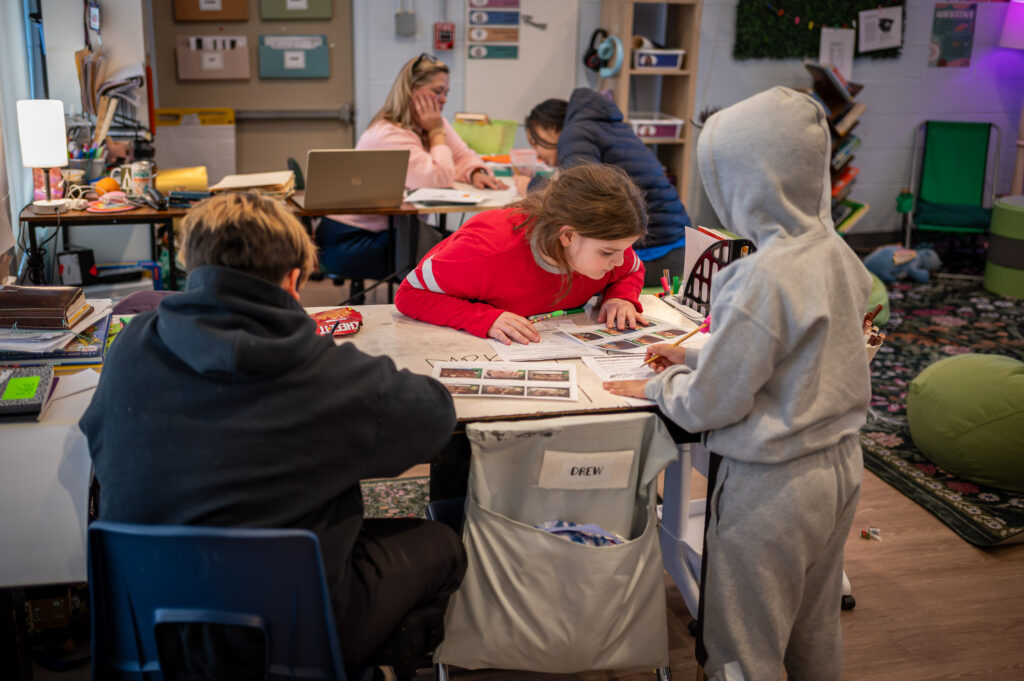
Students at this stage are ready to take on more. They’re starting to manage longer projects, advocate for themselves, and push back on ideas they disagree with — which we love.
Upper Elementary is where academic rigor starts to feel natural rather than forced. Kids aren’t just completing assignments; they’re starting to own their learning.
Middle School
Developing Agency, Complexity, and Responsibility
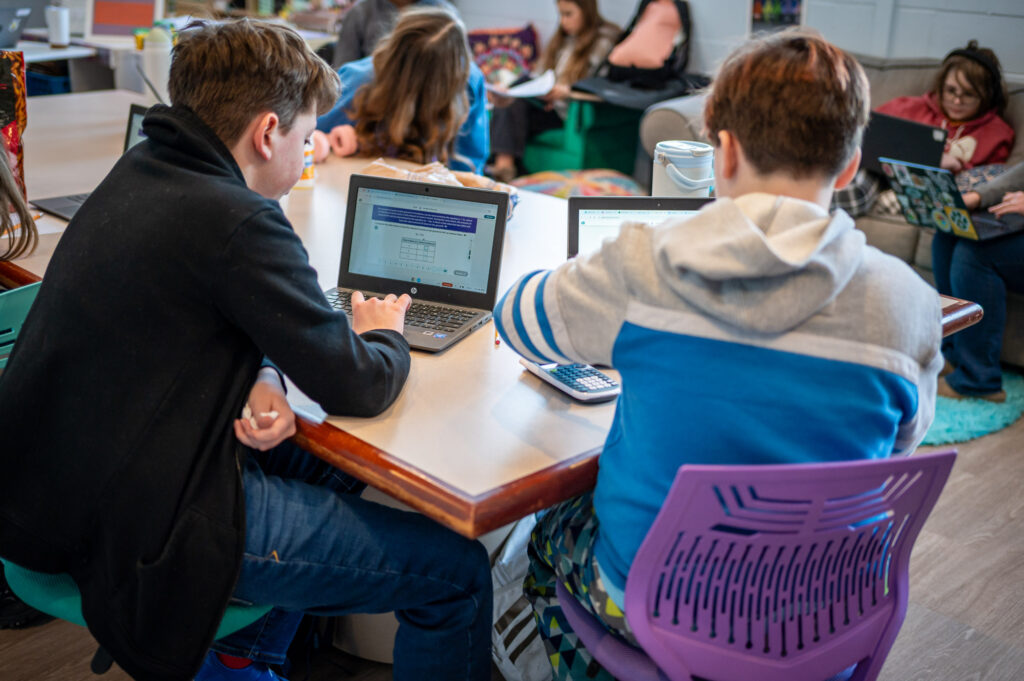
Middle school students are figuring out who they are, and we take that seriously. The work gets harder. The expectations get higher. And the conversations get real.
Students at this level tackle multi-step, interdisciplinary work. They’re expected to set goals, monitor their own progress, and reflect honestly on what’s working. We’re preparing them for high school and beyond — but more than that, we’re preparing them to be people who can handle hard things.
What Students Produce
Learning at AMPed isn’t invisible. Students have ongoing, tangible work to show — projects, presentations, portfolios, and reflections that accumulate into a real record of growth. These aren’t worksheets in a folder. They’re evidence of thinking, effort, and development over time.
What Students Become
We’re not just trying to get kids through a curriculum. We want them to leave AMPed genuinely better equipped for life — curious enough to keep learning, grounded enough to handle setbacks, and skilled at working with people who aren’t exactly like them.
Parents who’ve been through the program often say the same thing: the academic gains were real, but the change in who their kid became is what surprised them most.
A More Thoughtful Way to Group Students
Cohorts let us do something most schools can’t: actually respond to individual students in real time.
When the group around a student is a real match — developmentally, academically, socially — the whole classroom dynamic changes. Teachers can teach. Kids can focus. Real relationships form.
That’s not a philosophy. It’s just what we’ve watched happen, over and over.